Why Drone Footage Has Become Essential for Businesses
Drone footage is transforming how businesses document, market, and plan their projects. Compared to traditional methods, it offers a cost-effective alternative to helicopter or airplane shoots and opens up completely new perspectives for marketing and documentation.
The benefits are clear: drone footage has established itself as a valuable tool in many industries - from real estate photography and inspections to agriculture and marketing. The impact is especially striking in real estate, where properties featuring drone imagery are proven to sell up to 68% faster than those marketed with traditional photos alone.
Cost savings and efficiency gains make drone footage attractive for companies of every size. While traditional aerial imaging with helicopters or small planes can quickly run into several thousand euros, professional drone shoots typically start from 150-300 euros depending on provider and scope. This democratization of aerial photography allows even smaller businesses to benefit from the advantages of the bird's-eye view.
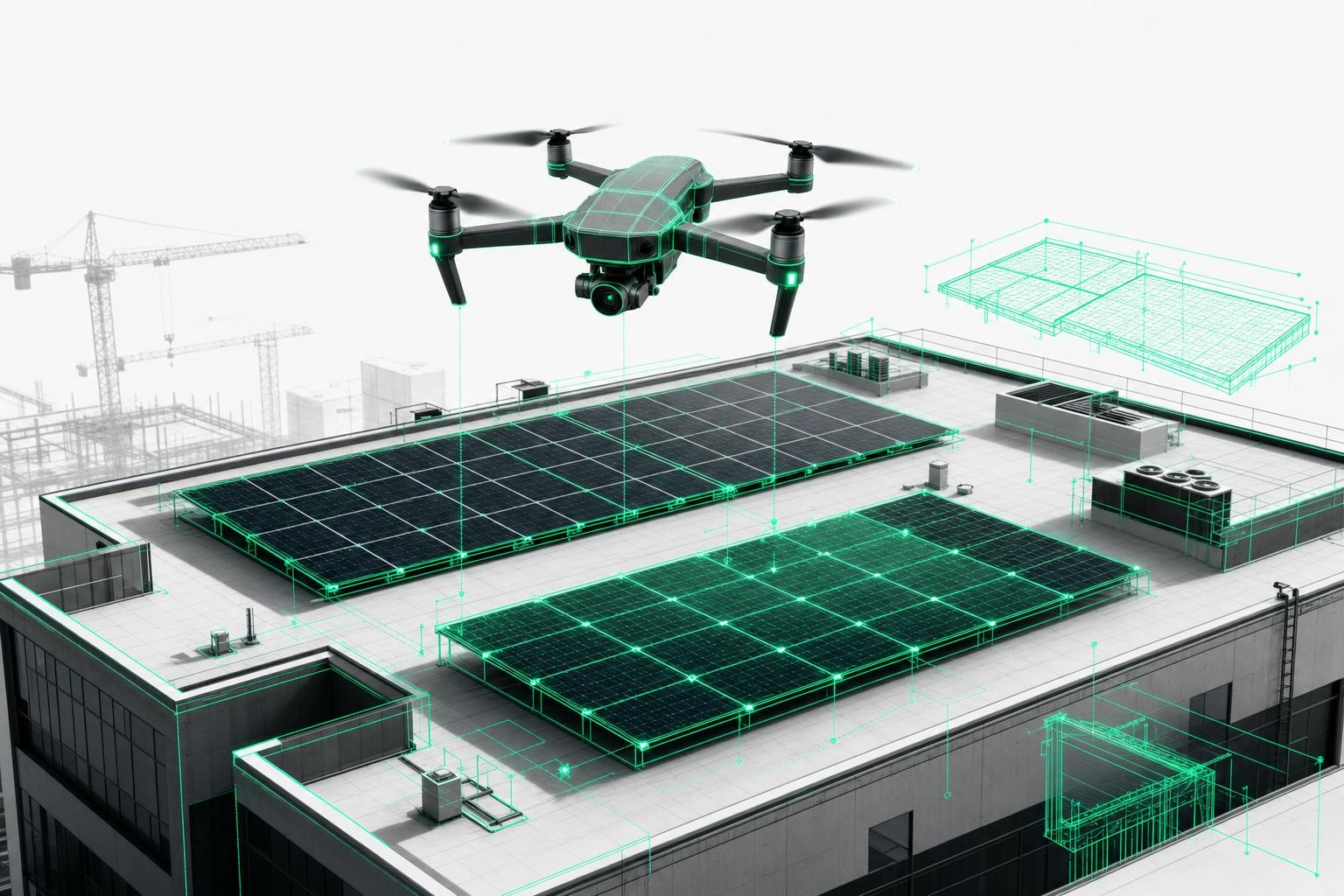
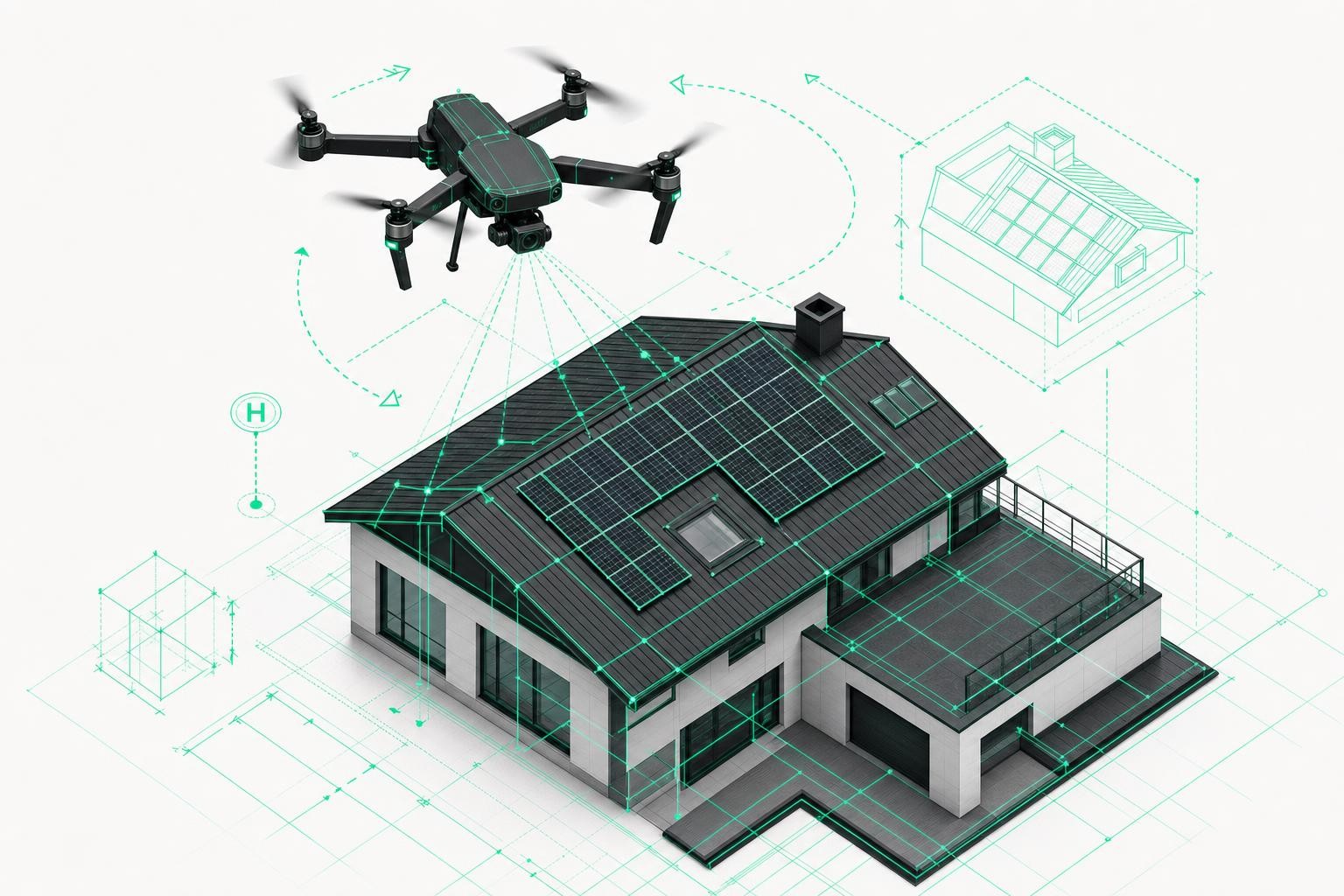
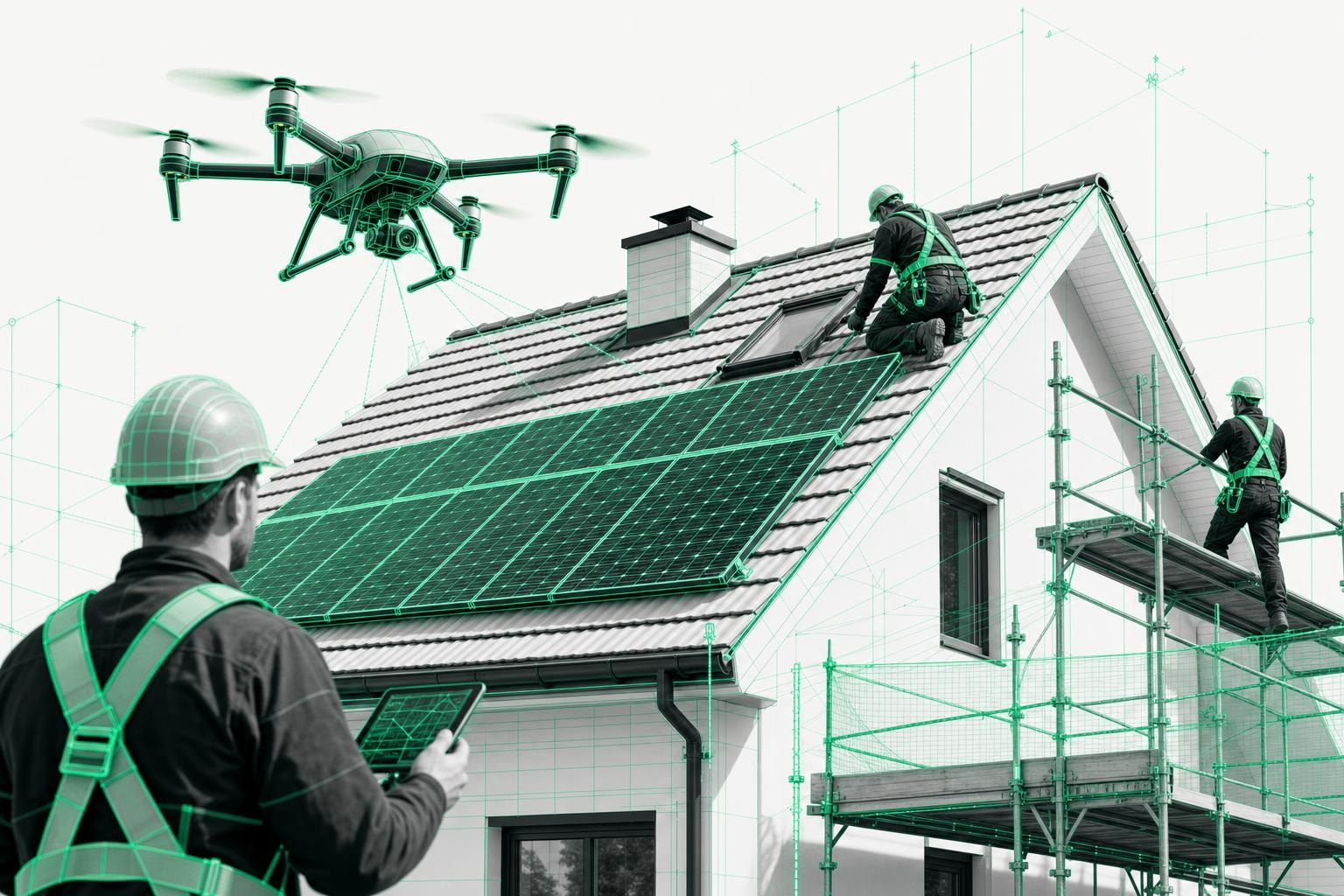
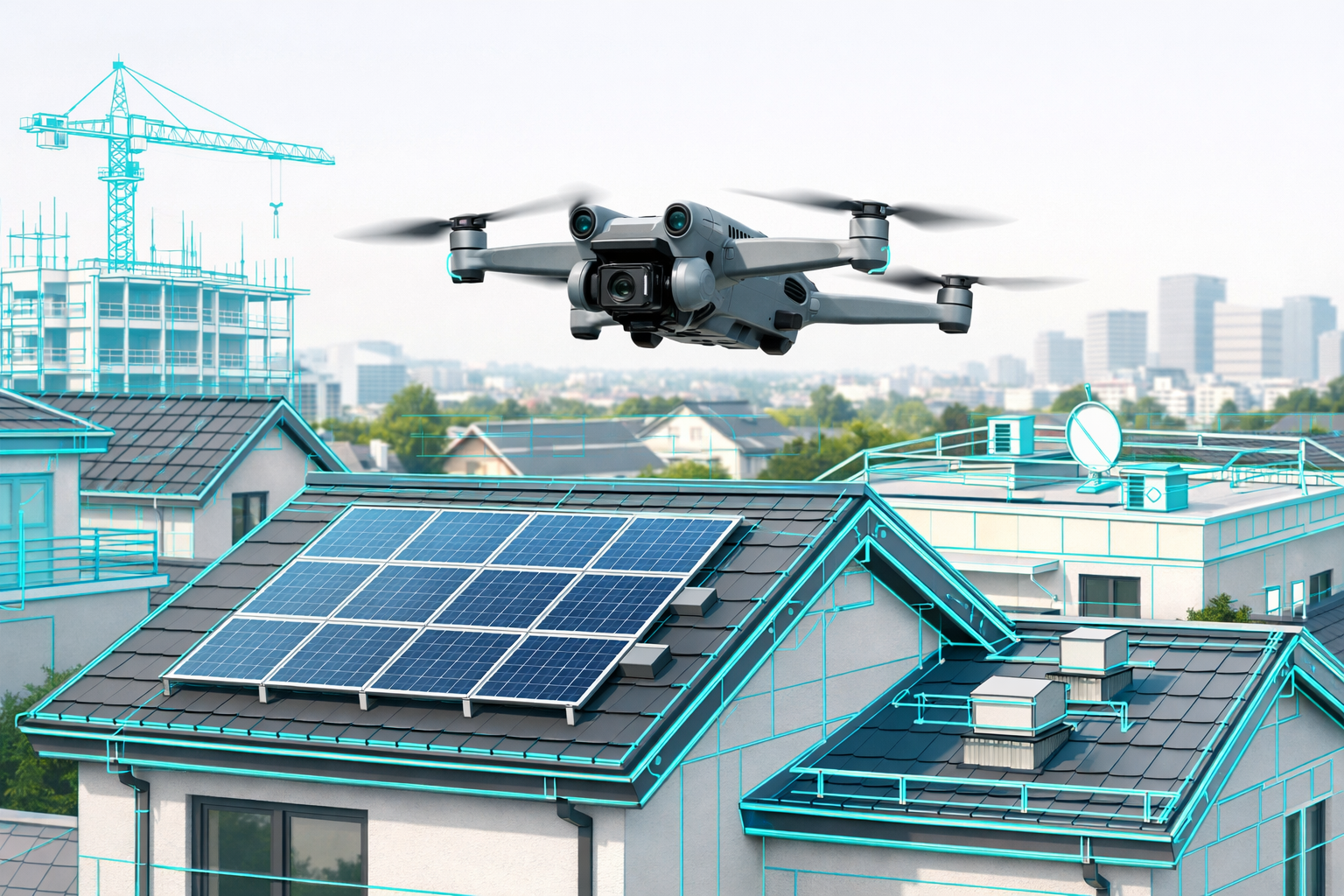
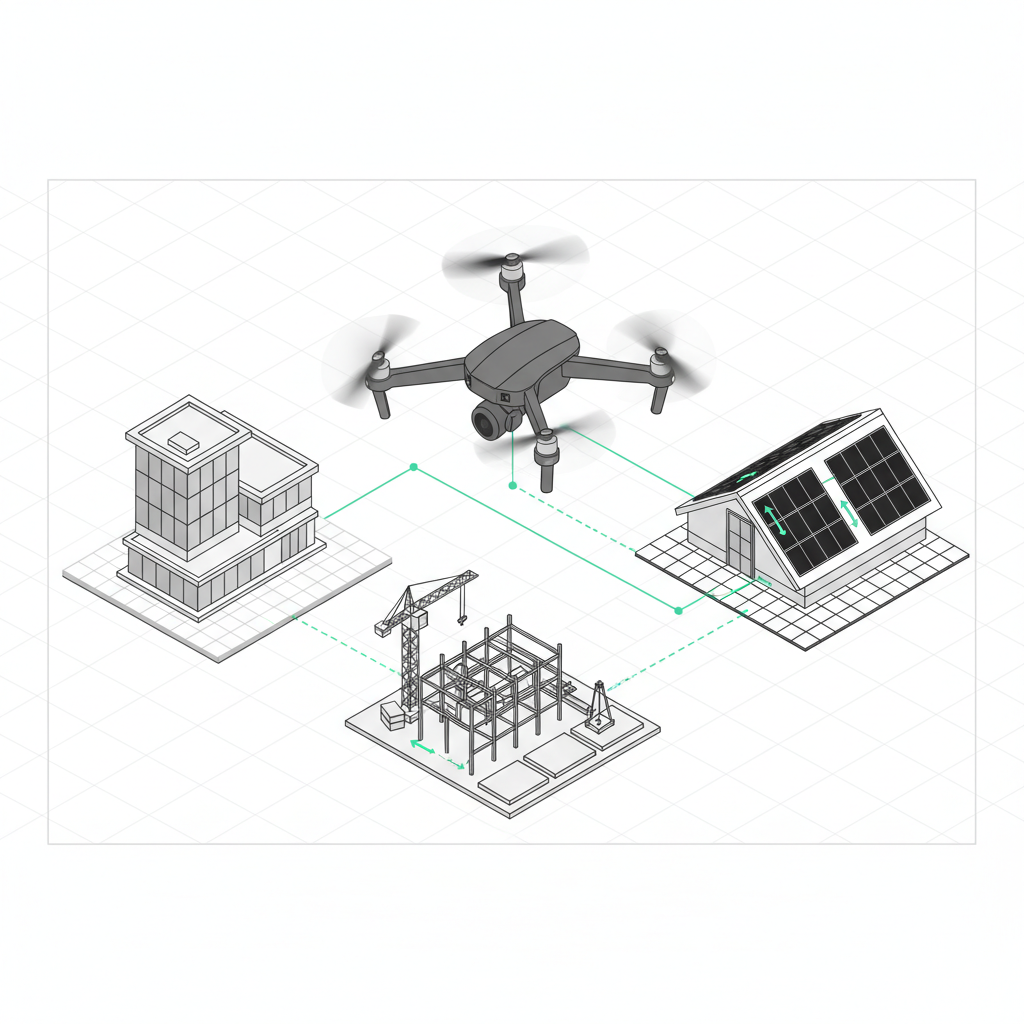
Recent technological advances have turned drones into highly precise measurement tools. Modern systems achieve centimeter-level surveying accuracy in line with international standards and can deliver optimized aerial images within 24-48 hours, plus 3D models and planning data within just a few days. This makes them indispensable tools for roofers, solar installers, scaffolders, and many other trades.
The Different Types of Drone Footage - Which One Fits Your Business?
Real Estate and Architectural Photography
Real estate marketing with drone footage can boost sales speed by up to 68%. This impressive statistic highlights how powerful professional aerial imagery is in the property sector.
Professional drone services for real estate typically include:
- 360° panoramas for virtual tours and immersive presentations
- Site overviews to showcase location, surroundings, and infrastructure
- Building documentation from multiple angles for a complete presentation
- Interior and exterior shots for a holistic property showcase
Agents and developers benefit from significantly faster marketing cycles and can win over potential buyers even before in-person viewings. Investment in professional drone footage usually pays off quickly through shorter time on market.
Construction Progress Documentation
Time-lapse footage and regular documentation allow for precise project monitoring and transparent communication with all stakeholders.
Key use cases include:
- Time-lapse videos for marketing and project documentation across the full construction period
- Weekly or monthly documentation for project control and reporting
- Inspection of hard-to-reach areas without scaffolding or cranes
- Improved safety by eliminating the need for hazardous climbing work
Regular drone documentation helps identify issues early and supports communication between owners, designers, and contractors.
Marketing and Brand Films
Spectacular aerial perspectives give corporate films a highly professional look and significantly increase attention on social media.
Marketing applications include:
- Corporate site presentations for websites and sales materials
- Product showcases in striking settings and perspectives
- Social media content with high reach and engagement rates
- Event coverage for trade shows, corporate events, and openings
The emotional impact of aerial footage amplifies your brand message and creates lasting impressions with your target audience.
Industrial Inspections
Safety inspections without climbing reduce risk and cost while delivering higher documentation quality.
Specialized inspection services include:
- Solar panel inspections with thermal cameras to detect defects
- Wind turbine inspections on hard-to-reach rotor blades
- Roof and facade inspections with centimeter-accurate damage documentation
- Infrastructure monitoring of bridges, masts, and industrial plants
The precise documentation supports maintenance planning and insurance processes with clear, verifiable evidence.
Event and Live Coverage
Live broadcasting and spectacular shots give events a professional look and create unforgettable moments.
Using drones at events enables:
- Live streaming for online broadcasts with dynamic camera perspectives
- Trade fairs and exhibitions captured from impressive angles
- Corporate events with emotional group shots and location showcases
- Concerts and shows with spectacular aerial sequences
Professional event documentation increases both the reach and memorability of your events over the long term.
What Defines High-Quality Professional Drone Footage - Key Criteria to Look For
Technical Gear and Equipment
Professional equipment determines image quality and possible use cases. The choice of technology has a decisive influence on the final result.
Camera quality and resolution:
- 4K footage (3840×2160 pixels) as the minimum standard for professional applications
- Larger sensors for better image quality in challenging light conditions
- RAW formats for professional post-production and color grading
- Interchangeable lenses for different applications and visual styles
Drone types and stabilization systems:
- Multicopter systems with GPS/GLONASS for precise positioning
- 3-axis gimbal stabilization for smooth, professional footage
- Collision avoidance systems for safe operation in complex environments
- Weather-resistant construction for use in adverse conditions
Additional equipment for specialized use cases:
- ND filters for optimal exposure in bright daylight
- Thermal cameras for inspection and surveillance tasks
- Spare batteries and mobile charging stations for longer shoots
- Live-view systems for real-time monitoring and client involvement
Pilot Experience and Certification
Qualified pilots are crucial for safe and successful flights. Professional competence is reflected both in certifications and hands-on experience.
Legal requirements and licenses:
- EU drone license (A1/A3 for lighter drones, A2 for more demanding operations)
- Approval procedures for flights in controlled airspace
- Liability insurance with sufficient coverage for commercial operations
- Ongoing training to stay aligned with current regulations
Practical experience and specialization:
- Industry-specific know-how in your relevant application areas
- Cinematic skills for compelling image composition
- Safety concepts and risk assessment for different deployment scenarios
- Technical expertise for complex technical assignments
Image Composition and Cinematic Quality
Professional image composition is what separates amateur footage from high-end productions. Technical perfection alone is not enough.
Basics of visual composition:
- Rule of thirds and golden ratio for balanced framing
- Leading lines and symmetry to guide the viewer's eye
- Foreground, midground, and background to create depth
- Changes in perspective for varied and engaging sequences
Camera movement and flight maneuvers:
- Smooth camera moves instead of jerky pans for a professional feel
- Controlled flight paths with precise speed control
- Orbit shots and dolly-style moves for cinematic dynamics
- Static shots for calm, documentary-style scenes
Optimal shooting conditions:
- Golden hour (sunrise and sunset) for warm, soft light
- Weather planning to avoid overexposure and harsh shadows
- Wind conditions carefully considered for stable footage
- Multiple takes to ensure the best possible results
Post-Production and Editing
Professional post-production turns raw footage into convincing final deliverables. Editing and finishing decide the final quality.
Technical post-production:
- Color correction and color grading for consistent, appealing visuals
- Additional stabilization to smooth out minor shake
- Noise reduction for footage shot in low light
- Sharpening and detail enhancement for crisp results
Creative editing and assembly:
- Rhythmic editing that matches music and mood
- Transitions and effects used sparingly and professionally
- Titles and lower thirds aligned with your brand's visual identity
- Call-to-action elements for marketing-focused videos
Audio and music:
- Royalty-free music libraries to avoid licensing issues
- Sound design with suitable sound effects
- Voice-over recordings for explanatory commentary
- Audio mastering for optimal sound quality
Understanding Cost Structures - What Professional Drone Footage Really Costs
Factors That Influence Price
Transparent pricing structures help with budgeting and vendor selection. Costs vary significantly depending on your requirements and project scope.
Type and scope of the shoot:
- Simple aerial photos versus complex video sequences from multiple camera positions
- Number of locations and required travel
- Time on site for setup, flight preparation, and different perspectives
- Special requirements such as night shoots or thermal imaging
Equipment requirements:
- Standard drones sufficient for basic documentation
- High-end camera systems for premium marketing productions
- Specialized equipment such as thermal cameras or ultra wide-angle lenses
- Backup systems for mission-critical projects and insurance requirements
Post-production workload:
- Simple selection and basic optimization versus extensive post-production
- Video editing with music, titles, and color grading
- Number of revision rounds and requested changes
- Multiple output formats for web, print, and presentations
Typical Price Ranges by Use Case
Realistic cost expectations based on market data and experience help you budget different project types.
Simple aerial photos and basic documentation:
- Basic package (5-10 photos): 150-500 € for straightforward asset documentation
- Standard package (15-20 photos): 500-800 € with basic editing
- Travel costs: 50-100 € depending on distance to site
- Delivery time: 24-48 hours for optimized still images
Real estate presentations:
- Residential property package: 600-1,200 € including interior and exterior shots
- Commercial properties: 1,000-2,000 € depending on size and complexity
- 360° virtual tours: an additional 300-500 € for interactive experiences
- Virtual viewings: 800-1,500 € with professional post-production
Professional brand and promotional films:
- Short promotional clips (30-60 seconds): 1,500-3,000 € including editing and music
- Brand films (2-5 minutes): 3,000-6,000 € with extensive post-production
- Event documentation: 1,200-2,500 € depending on duration and complexity
- Multi-day productions: day rates of 800-1,500 € plus post-production
Industrial inspections and surveying:
- Simple roof inspection: 400-700 € including a documentation report
- Solar plant thermography: 800-1,500 € with thermal analysis
- Complex industrial inspection: 1,500-3,000 € with detailed reporting
- Ongoing monitoring: discounted annual contracts often possible
Hidden Costs and What to Watch Out For
Transparency in cost breakdown protects you from unpleasant surprises and enables realistic budgeting.
Additional cost items:
- Travel expenses especially for remote locations or multiple visits
- Approval fees for flights in controlled airspace
- Rescheduling fees for weather-related date changes
- Rush surcharges for deliveries within 24 hours
Usage rights and licensing costs:
- Commercial usage rights often not included in base pricing
- Time-limited licenses versus perpetual usage rights
- Geographical limitations for international use
- Social media rights for use on Facebook, Instagram, and YouTube
Post-production costs:
- Additional revision rounds beyond the agreed scope
- Advanced color grading and special effects
- Multiple output formats for different use cases
- Archiving and backup of raw data over longer periods
How to Choose the Right Drone Service Provider
Provider Selection Checklist
A structured selection process minimizes risk and ensures professional results that match your requirements.
Check certifications and legal fundamentals:
- EU drone license and valid registration number
- Proof of insurance with sufficient coverage (at least 1 million euros)
- Approvals for planned areas of operation and flight altitudes
- GDPR compliance and a clear privacy policy covering image rights
Evaluate technical equipment:
- Professional drone systems rather than consumer models from retail stores
- Backup equipment for critical projects and insurance purposes
- Up-to-date software for flight planning and data processing
- Quality assurance proven through certifications or reference measurements
Review references and portfolio:
- Industry experience in your specific application area
- Quality standards assessed via past projects
- Client reviews and testimonials from similar businesses
- Project scope and complexity of comparable assignments
The Right Questions to Ask Your Provider
Targeted questions reveal key quality criteria and service details and support your final decision.
Approvals and legal aspects:
"Which approvals are required for my project and who is responsible for obtaining them? How long does the approval process take and what costs are involved?" These questions clarify responsibilities and help avoid delays in project execution.
Insurance coverage and liability:
"How is insurance for drone flights structured and am I covered as the client? What types of damage are included and what is the coverage limit?" Adequate insurance protects against financial risks.
Scope of delivery and file formats:
"What file formats will I receive and are different resolutions available? Will I have access to the raw data and how long will it be archived?" These details are crucial for future use.
Weather dependency and scheduling:
"What is the process in case of bad weather and are there costs for rescheduled dates? Are backup dates available and how flexible is scheduling?" Weather conditions have a major impact on project planning.
Quality assurance and revisions:
"Are revisions and corrections included in the price and how many revision rounds are possible? Is there a quality guarantee and what happens if the results are not satisfactory?" These points help secure the level of quality you expect.
Legal Aspects and Approvals - What Clients Need to Know
Flight Restrictions and No-Fly Zones
A thorough understanding of airspace rules is essential for legal and safe drone flights without legal consequences.
Controlled airspace and security zones:
- Airports and airfields with minimum distances of 1.5 km for small drones
- Military restricted areas and training zones with absolute bans on flying
- Industrial facilities and power plants as critical infrastructure
- Government and administrative buildings subject to special restrictions
Maximum flight altitudes and line of sight:
- 120 meters altitude as the standard limit for flights in the open category
- Visual line of sight with the pilot is mandatory
- Night flights only permitted with special approval and additional lighting
- Long-distance flights beyond line of sight require extended approval procedures
Protected areas and residential zones:
- Nature reserves often subject to general bans or special permits
- Residential areas with minimum distances of 100 meters to buildings
- Events and large crowds should generally be avoided
- Noise regulations in urban areas must be observed
Data Protection and Privacy Rights
GDPR compliance and personal rights must be observed whenever individuals can be identified in drone footage.
General Data Protection Regulation (GDPR):
- Consent from identifiable individuals should be obtained before filming
- Obligation to inform about the purpose and use of the footage
- Right to object and the right to erasure must be respected
- Data minimization through anonymization or blurring where appropriate
Property rights and rights of access:
- Permission from the property owner for filming on private land
- Rights of access may restrict overflights and filming
- Commercial use often requires separate agreements
- Copyright on buildings and works of art should be checked
Publishing on social media:
- Extended consent is often needed for social media use
- Platform-specific rules for Facebook, Instagram, and YouTube must be observed
- Distinguish between commercial and purely private use
- Right of withdrawal and removal requests should be considered
Insurance and Liability
Comprehensive insurance coverage protects both the service provider and the client from financial risk.
Liability insurance for drone flights:
- Minimum coverage of 1 million euros for commercial drone operations
- Coverage for personal injury, property damage, and financial loss
- International validity should be checked for operations abroad
- Exclusions and deductibles in the policy must be understood
Protection for you as the client:
- Main contractor liability of the commissioned drone service provider
- Co-insurance of the client within the provider's business liability policy
- Waiver of recourse against the client can be agreed
- Indemnity clauses for third-party claims can be negotiated
Equipment insurance:
- All-risk coverage for high-value drone systems
- Theft protection and coverage against vandalism
- Electronics insurance for camera and sensor technology
- Loss-of-use insurance in case of equipment failure
FAQ: The Most Frequently Asked Questions About Professional Drone Footage
How long will it take to receive my drone footage?
For simple aerial photos, you will usually receive the material within 24-48 hours after the flight. Complex brand films with extensive editing, color grading, and music can take 1-2 weeks, depending on scope and desired effects.
What does it cost if the drone flight has to be postponed due to weather?
Reputable providers generally do not charge for weather-related postponements, as safety and quality come first. Only in cases where a team has already traveled and incurred hotel costs may travel expenses apply - this should be clarified in writing in advance.
Do I, as the client, need to obtain approvals for drone flights myself?
No, a professional provider will handle all necessary approvals and legal checks, including airspace clearance. You should, however, clarify any property rights for the location and inform whoever holds the rights of access or control over the site.
Can drone footage be captured in rain or strong wind?
Professional drones are weather-resistant to a degree, but safety always comes first. For wind speeds above around 10 m/s or in case of precipitation, flights will be postponed to ensure both quality and safety and to prevent damage.
How can I tell the difference between unreliable providers and true professionals?
Red flags include prices below 150 € without clear justification, no proof of insurance, no valid EU drone license, vague terms and conditions regarding weather-related changes, and a portfolio that looks like smartphone footage instead of professional references and certifications.
Conclusion: Achieving Impressive Drone Footage with the Right Partner
Investing in professional drone footage pays off - provided you choose the right provider and have realistic expectations of quality.
Quality over price should be your guiding principle when selecting a vendor. While simple aerial photos may be available from around 150 euros, higher investments are justified by professional equipment, experienced pilots, and thorough post-production. The 68% faster marketing of properties with drone imagery is a prime example of the ROI that professional aerial content can deliver.
Certifications and insurance are non-negotiable. An EU drone license, adequate liability insurance, and transparent pricing are what separate reputable providers from hobby pilots. Especially for commercial applications, you should insist on centimeter-accurate measurements according to international standards and clearly documented quality standards.
The future of drone photography is evolving rapidly. AI-powered image analysis, automated 3D model generation, and advanced inspection capabilities are opening up new use cases. Companies like Airteam already demonstrate how precise planning data for trades can be generated from simple drone images within just a few days.
Invest in a provider who not only delivers professional results today, but is also equipped for the demands of tomorrow. The right partner makes the difference between standard footage and impactful visual content that truly drives your business forward.
Sources & Facts
[S1] Luftaufnahmen Deutschland - What do aerial images cost? (2024): https://www.luftaufnahmen-deutschland.de/hintergrundwissen/was-kosten-luftaufnahmen/
[S2] Pathfinder Studios - Aerial footage costs (2024): https://www.pathfinder-studios.de/imagefilm/imagefilm-kosten/luftaufnahmen-kosten/
[S3] SkyzR - Drones in the real estate industry (2024): https://www.skyzr.com/immobilien/drohnen-in-der-immobilienbranche/
[S4] Engel & Völkers - How drone photos minimise marketing time (2024): https://www.engelvoelkers.com/en/blog/property-insights/buy-sell/how-drone-photos-minimise-the-marketing-time-of-your-property/
[S5] Grüne Flügel - Drone footage price list (2024): prices from 150 € for 5 photos
[S6] Offenblende - Aerial footage prices (2024): packages from 299 € for 6 photos
[S7] Spreewald Luftaufnahmen - Cost overview (2024): prices from 230-250 €
Statistically verified facts:
- 68% faster marketing of properties with drone imagery
- Professional drone shoots from 150-300 € depending on provider
- 24-48 hour delivery time for simple aerial photos
- Centimeter-accurate surveying precision to international standards with professional providers